
NO / EN
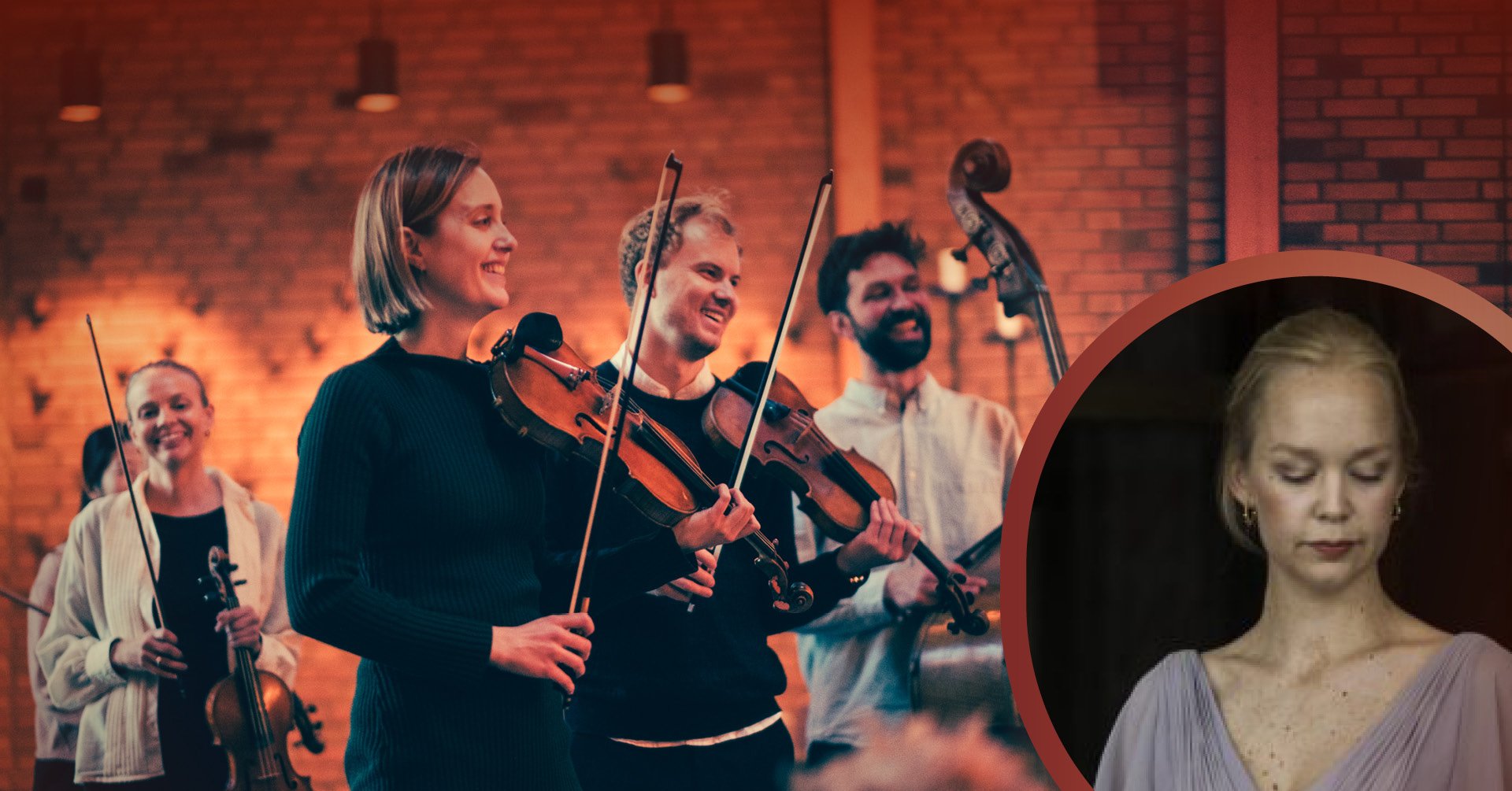
During the darkest time of the year, finding glimmers of light is especially important. On St. Lucy’s Day—December 13th—we fill Marmorsalen at Sentralen with music that highlights the contrasts between darkness and light; together with soprano soloist Ditte Marie Bræin, we invite you to an atmospheric and magnificent experience.
The evening’s program draws inspiration from the story of Saint Lucy—the martyr-turned-saint whose name literally means "light"—and from the date of December 13th, which marked the longest night of the year in the Julian calendar. In old Nordic tradition, this date was linked to the Norse spirit Lussi, and folklore held that evil forces roamed free on this particular night. At the same time, we are approaching the Christmas season—a celebration of light, community, and goodness—and we aim to embrace all these elements in tonight’s program.
The centerpiece of the evening is one of music history’s greatest masterpieces: Schubert’s String Quartet No. 14, known as "Death and the Maiden." The title rightly suggests high drama; the music evokes both the young Lucy’s struggle for survival and the figure of Lussi, riding through the night with her retinue of subterranean creatures. Yet, we also hear Schubert’s unique ability to let light shine through, transforming even the darkest notes into the most beautiful melodies.
We see these contrasts constantly in today’s world, and now—during the darkest time of the year—it is especially important to come together and remind one another that light still exists.
Soprano Ditte Marie Bræin is among the country’s most sought-after soloists, and as a long-standing member of the Norwegian Soloists' Choir, she is a dear friend of ours at Ensemble Allegria. At the concert, we will hear her perform works by Schubert and Hildegard von Bingen, as well as folk songs that bring light into the darkness and remind us that Christmas is just around the corner.
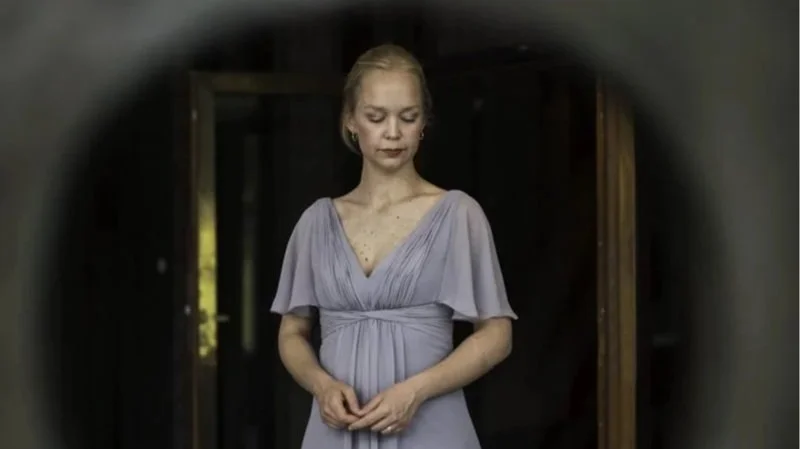
Ditte Marie Bræin. Foto: Ingvild Festervoll Melien